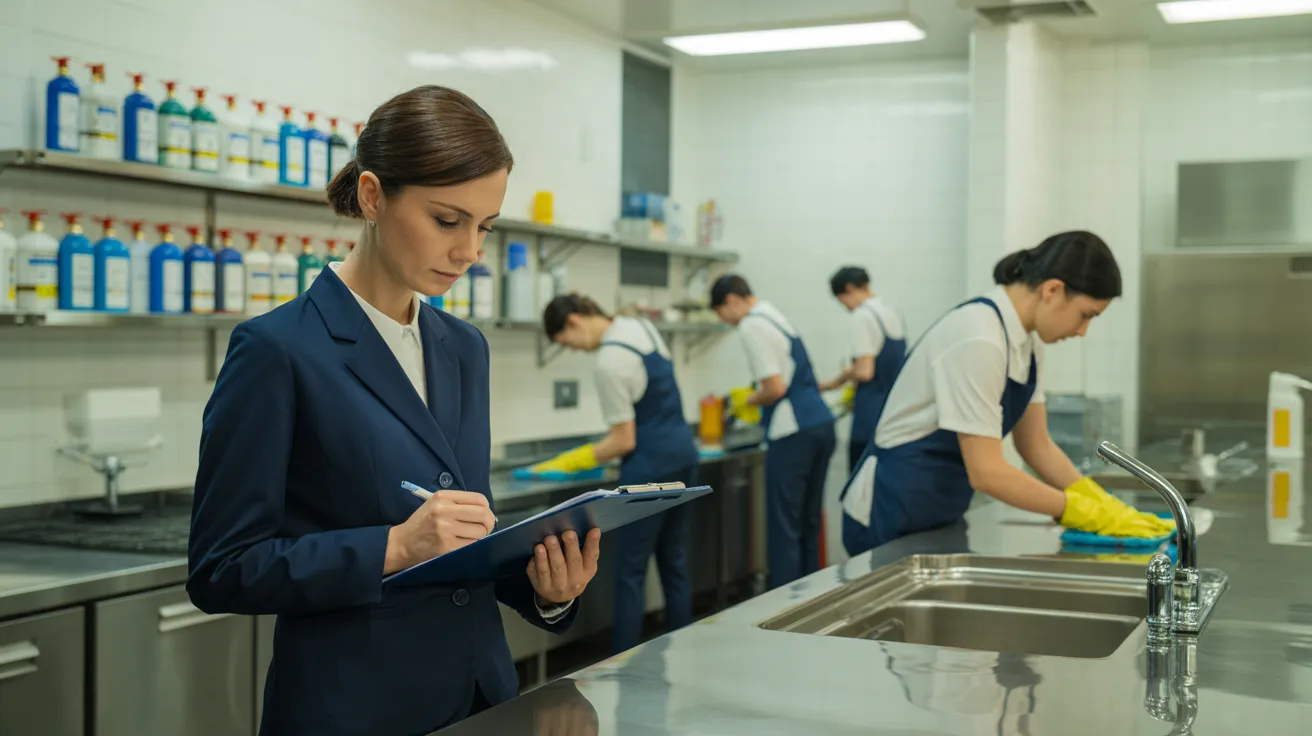
Professional food safety experts located in Brampton help maintain restaurants, commissaries, baking enterprises, warehouses, and mobile food units in compliance. They disinfect high-touch surfaces, food-contact areas, equipment, floors, drains, restrooms, and food handling areas using approved sanitizers, in correct dilution, and using documented contact periods.
Important Highlights
- Food safety cleaning experts in Brampton work with restaurants, grocery departments, commissaries, warehouses, bakeries, schools, mobile vendors, and allergen-sensitive operations.
- High-touch surfaces, food-contact equipment, kitchens, floors, drains, restrooms, and storage areas are treated using compartmentalized approaches to eliminate cross-contamination.
- Trained contractors validate proper chemical concentration, appropriateness, and contact time, then log conclusion with samples, audits, and correction logs.
- Risk, production rate, changeovers, incidents, and regulations ought to shape hygiene schedules, with routine, recurring, and seasonal tasks allocated by section.
- Highlight vendors exhibiting HACCP, health regulatory competency, WHMIS training, insurance, credentials, coded tools, and assessment-ready sanitation documentation.
Food Safety Cleaning Requirements for Brampton Establishments
Food safety cleaning is mandatory for any Brampton facility that deals with, keeps, prepares, packages, or provides food. Apply it to your operation if it falls within public health review, food regulations, or HACCP protocols. This includes dining establishments, break rooms, distribution centers, market departments, meat shops, fish areas, stores, and food prep kitchens.
You'll also need adherent sanitation standards in warehouses, food manufacturing plants, cold storage sites, retail bakeries, school nutrition programs, banquet halls, and meal delivery hubs. Seasonal and mobile ventures matter as well, such as food trucks, festival vendors, and pop-up establishments. If your staff prepare supplies, portion finished foods, reheat items, or manage allergen inventory, your location requires recorded sanitation procedures. In Brampton, hygiene stays necessary; it constitutes legal, operational, and consumer protection compliance.
Which Areas Do Brampton Cleaning Experts Cover?
You need skilled cleaning experts who sanitize frequently touched areas, kitchen spaces, flooring, and restroom facilities to maintain food safety and public health requirements. These areas are targeted due to their high cross-contamination potential, slip and fall dangers, and regulatory breaches.
Understanding their cleaning procedures allows you to confirm your facility's cleaning meets operational demands and regulatory compliance.
High-Touch Surface Cleaning
organize disinfection schedules according to usage patterns, exposure levels, and facility operations.
Accurate checking of disinfectant properties, solution strength, and dwell time per product specifications and health codes to ensure effectiveness. Staff can employ surface swabbing to confirm cleaning effectiveness
Food Prep Areas, Flooring, and Sanitary Facilities
Brampton cleaning professionals will handle kitchens, floors, and restrooms since each space presents separate hygiene concerns, slip-and-fall, and public health challenges. In industrial kitchens, you need degreasing on cook lines, equipment exteriors, drains, prep surfaces, and splash zones to reduce contamination and pest pressure.
Floor care that is documented should also be anticipated. Technicians scrub and extract buildup from tile grout, ceramic surfaces, and vinyl floors, then apply appropriate drying controls so you can limit falls and maintain code-compliant conditions. They also address entry points where dampness and dirt enter the building.
In restrooms, cleaners treat contact surfaces, bathroom hardware, partition walls, accessory dispensers, and receptacles then refill supplies and eliminate odor. They also maintain restaurant cleaning supply rooms where product storage, sink cleanliness, and drain systems impact daily sanitation standards and worker protection.
The Importance of Food Safety Cleaning in Brampton
To adhere to regulatory mandates and succeed in audits, Brampton facilities must follow food-safe cleaning standards. You also reduce cross-contamination by cleaning and sanitizing food-contact surfaces, equipment, and high-touch areas correctly. Most importantly, you help protect public health by lowering the risk of foodborne illness in your facility.
Regulatory Code Requirements
Because Brampton food establishments operate under strict public health standards, food safety cleaning directly influences your competence to adhere to health code requirements, defend customers, and avoid enforcement action. You must maintain clean food preparation areas, documented cleaning schedules, correct sanitizer application, and verifiable staff procedures that align with municipal and provincial inspection expectations.
Inspectors examine your operation to establish that your sanitation system maintains protected inventory management, machinery hygiene, refuse management, and washroom maintenance.
Cross-Contamination Management
Maintaining health code standards copyrights on your power to stop cross-contamination during everyday food preparation and sanitation. You must separate raw ingredients from ready-to-eat foods, sterilize work zones between assignments, and position cleaning agents away from food surfaces. Clear procedures reduce transfer risks and reinforce steady regulatory adherence.
Implementing allergen segregation helps keep priority allergens from contacting communal work zones, bins, or devices. Deploy dedicated cutting boards, color-coded tools, and strict utensil labeling so workers don't combine products during preparation or service. Require handwashing after handling raw meat, seafood, eggs, or allergen-containing products. Refresh cleaning cloths often, and verify sanitizer strength with test strips. When you train staff to follow these controls every shift, you establish a more hygienic, safer workplace that meets Brampton's food safety expectations daily.
Public Health Protection
When sanitation protocols breaks down, you don't just risk a failed inspection—you increase the chance of foodborne illness impacting customers, staff, and the wider Brampton community. You also weaken your role in protecting public health, especially in high-traffic food premises where pathogens travel quickly through surfaces, equipment, and touchpoints.
You require sanitation protocols that eliminate soils, sanitize properly, and confirm effectiveness. This involves adhering to contact periods, employing authorized sanitizers, documenting procedures, and instructing staff to meet health-unit expectations. These controls promote pathogen reduction by limiting pathogens before contaminating food or surfaces. Across Brampton, effective sanitation protects at-risk populations, reduces disease potential, and shows your diligence. When you maintain proper protocols, you exceed regulations—you meaningfully reduce risk and enable safer food service throughout the area.
In What Ways Does Cleaning Help Achieve Food Safety Compliance?
Upholding comprehensive cleaning schedules enhances food safety compliance by reducing contamination risks, managing pathogen expansion, and maintaining your facility's adherence to sanitation requirements under HACCP-based programs and public health regulations. You ensure that food-contact surfaces appear visibly clean and microbiologically controlled, supporting documented preventive controls and inspection useful guide readiness.
Systematic cleaning moreover enhances allergen prevention by removing residues that can lead to undeclared allergen exposure. When you integrate approved sanitation protocols with regulatory training, your staff can adhere to uniform procedures, apply approved chemicals accurately, update records correctly, and address deviations in advance of problems worsen. Regular cleaning enables supply chain documentation, confirms remediation efforts, and proves due diligence throughout audits. Additionally, it assists you maintain product quality, copyright compliance standards, and minimize the possibility of compliance actions, recalls, customer complaints, and avoidable public health risks.
How Should You Plan Commercial Cleaning Work?
cleaning routines or between production runs wherever surfaces contacting food, restrooms, and high-touch areas
conducting promotions, catering, or public functions
What Should You Look For in Brampton Cleaning Experts?
Start by screening providers against food sanitation standards, not price alone. You should verify that each company understands CFIA, public health, and HACCP compliance standards relevant to your facility. Ask for insurance documentation, WHMIS compliance, documented staff training, and supervision practices. Review whether technicians understand cross-contamination risks, chemical handling, and traceable sanitation records.
You must also evaluate business consistency and accountability. Seek references from Brampton food companies, then assess response speed, corrective-action procedures, and communication quality. Ensure the company supports supplier audits and can provide inspection-compliant records when authorities or third parties demand verification. Verify equipment care, color-coded items are deployed correctly, and operational-specific risks are understood. A reputable service protects compliance, product safety, and your brand reputation.
Which elements are contained in a Food Safety Cleaning Plan?
Develop a written strategy that clarifies every sanitation responsibility, standard, and task before production begins. You should detail cleaning schedules, authorized chemicals, concentration levels, contact duration, implements, and validation techniques for each zone, surface, and piece of equipment. Incorporate pre-operational inspections, corrective actions, and employee training requirements.
Your plan should also address prevention of contamination, waste management, pest-control tactics, and scheduled records for facilities, drains, flooring, and food-preparation surfaces. Outline how you'll separate raw and ready-to-eat processes, facilitate ingredient tracking, and keep accurate allergen labeling through validated cleaning between product changes. You should assign accountability, keep signed records, and assess results against regulatory standards, HACCP controls, and customer requirements. When gaps appear, modify procedures immediately and instruct staff.
Regular Asked Questions
Can sanitation providers accommodate overnight shifts in Brampton properties?
Yes, you can arrange cleaning services to accommodate nighttime operations in Brampton facilities. You'll coordinate nighttime cleaning around operational windows, access requirements, and personnel needs. Providers generally create nighttime procedures to minimize disruption, maintain standards, and track completed work. You should verify response times, supervision, lockout protocols, and waste management before starting service.
Will Brampton cleaning experts address hazardous incidents?
Yes, you can find many Brampton cleaning professionals offering spill containment services. They manage hazardous materials, evaluate risks, isolate zones, and perform swift decontamination to minimize risk and prevent disruption. You should verify response times, certifications, protocols, and procedures. If your facility needs compliance, pick a provider that logs events, follows procedures, and supports audits.
Will plant-based disinfectants disinfect safely food-contact surfaces?
Absolutely, eco-friendly disinfectants can be appropriate for food-contact surfaces when you choose items marked food-safe and satisfying regulatory requirements. You must check application timing, mixing proportions, and rinse procedures ahead of deployment. Plant based formulas lower chemical hazards, though you should gather confirmation of performance against relevant pathogens. For preserving residue-free areas, follow manufacturer directions precisely and confirm the disinfecting agent adheres to food industry regulations.
Can maintenance plans change with seasonal production changes?
Absolutely, maintenance plans allow customization for seasonal production changes. Adapt frequencies, staff levels, sanitizers, and verification steps to align with production rhythms while sustaining regulatory adherence. Minimize production downtime through planning sanitation around changeovers, high demand periods, and equipment use patterns. Further modify SSOPs, instruction programs, and monitoring protocols to capture temporary risks, novel allergens, or increased soil loads. Ongoing evaluations keep the schedule current.
Are professional cleaning companies offering employee instruction on hygiene protocols?
Certainly, professional cleaning experts train your staff on hygiene protocols. You obtain staff training on correct chemical practices, processing times, contamination control, machine disassembly, and documentation. They typically align coaching with HACCP, GMP, and CFIA or local public health standards. Many also run health assessments to check standards, identify gaps, and strengthen corrective measures. This enables you to copyright standard processes, pass inspections, and minimize foodborne pathogen risks daily.
Summary
Partnering with Brampton food safety and commercial cleaning professionals means more than cleaning—it ensures your facility stays inspection-compliant and your standards are defensible. From kitchen areas to production zones, each sanitized surface and organized section lessens contamination risk and avoids costly disruptions. By scheduling maintenance on appropriate schedules and implementing a thorough cleaning program, you shield your workforce, your customers, and your image. In a tightly controlled market, clean environments can't be overlooked—they're vital to proper management.